







The Debt Snowball vs. The Debt Avalanche: Which Works Best?
Paying off debt can feel like climbing a very steep hill with a backpack full of bricks—credit cards, student debt, personal loans, and more. But the good news is, you don’t have to climb alone or without a plan. Two powerful strategies can help you conquer your debt: the debt snowball and the debt avalanche. Each has its strengths, and understanding how they work can help you choose the right path to financial freedom.
What Is the Debt Snowball Method?
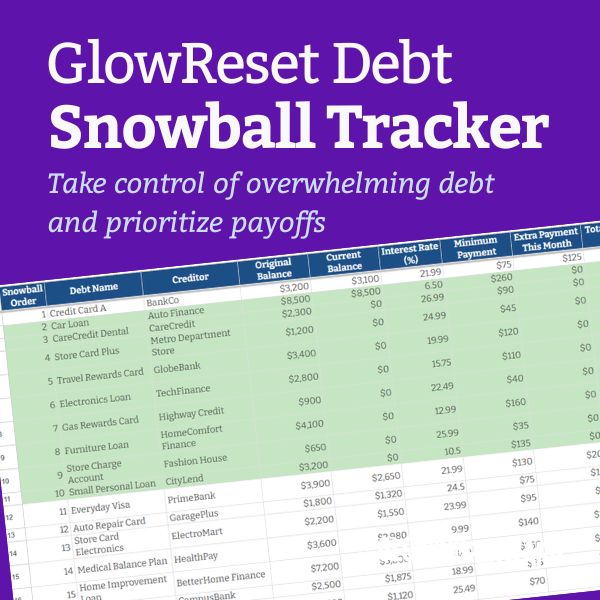
The debt snowball method focuses on momentum and motivation. Here’s how it works:
List all your debts from the smallest balance to the largest, regardless of interest rate.
Make minimum payments on all debts except the smallest one.
Put any extra money toward paying off the smallest debt first.
Once the smallest debt is gone, roll its payment into the next smallest debt.
Think of it like building a snowball—small at first, but gaining size and speed as it rolls downhill. Every debt you eliminate is a win that keeps you motivated. For many people, especially those who feel overwhelmed by multiple balances, this emotional boost is key to staying on track.
What Is the Debt Avalanche Method?
The debt avalanche method takes a math-first approach, helping you save more money over time. Here’s the breakdown:
List all your debts from the highest interest rate to the lowest.
Make minimum payments on all debts except the one with the highest interest rate.
Put any extra funds toward the debt with the highest rate.
When that one’s paid off, move to the next highest interest rate.
This strategy reduces the total interest you’ll pay, which can help you get out of debt faster if you stick with it. It’s especially effective for high-interest credit cards and personal loans that rack up charges quickly.
Debt Snowball vs. Debt Avalanche: Which Is Better?
So, which debt payoff method wins? That depends on you—your personality, your financial habits, and what motivates you most.
Choose the Debt Snowball If:
You need quick wins to stay motivated.
Your smallest debts are stressing you out.
You’re more focused on behavior change than efficiency.
Choose the Debt Avalanche If:
You want to pay the least amount of interest over time.
You’re disciplined and good at sticking to a plan, even without immediate rewards.
You have high-interest credit cards or loans that are costing you big.
Both methods work. The most important thing is to pick one and stick with it. It’s not about perfection—it’s about progress.
Let’s See It in Action
Here’s a quick example to make it real. Let’s say you have the following debts:
$500 credit card at 18% interest
$2,000 personal loan at 10% interest
$5,000 student debt at 6% interest
Debt Snowball Order: Credit card → Personal loan → Student debt
Debt Avalanche Order: Credit card → Personal loan → Student debt
In this case, the order is the same—but if your smallest balance had a lower interest rate than another debt, the methods would differ. Snowball gets you early wins; avalanche saves you more in the long run.
Tips for Crushing Debt Faster
No matter which method you choose, here are some smart strategies to speed things up:
Find extra cash. Sell unused items, pick up a side hustle, or cut back on subscriptions to free up money for debt payments.
Use windfalls wisely. Tax refund? Bonus? Put it toward your debt.
Make biweekly payments. This adds an extra full payment each year and reduces interest.
Track your progress. Use a spreadsheet or app to watch your balances fall. Progress is powerful.
What About Student Debt?
Student debt can feel like a mountain, but it’s just another peak to climb. Depending on the interest rate, you may tackle it early or save it for later. If it’s your highest-rate debt, use the avalanche method. If it’s your smallest balance, snowball might give you the momentum you need. Either way, don’t let it intimidate you. Break it down and build your plan.
Final Thoughts: Your Debt, Your Strategy
Debt doesn’t have to control your future. Whether you choose the snowball or the avalanche, you’re taking a proactive step toward financial freedom. Remember, it’s not about which method is perfect—it’s about choosing the one you’ll stick with. Credit cards, loans, even student debt—they’re all manageable with the right plan. So take a deep breath, pick your strategy, and start climbing. You’ve got this.



