







How To Quiet Money Anxiety When You Feel Behind
You can be smart, accomplished, and still feel completely overwhelmed by money.
Maybe you earn decent income but have no idea where it goes. Maybe your savings feel small for your age. Maybe you’re juggling debt, family needs, and a career that demands everything.
Feeling behind can be loud. It shows up as late-night scrolling, a tight chest when you check your accounts, or avoiding money altogether because it feels like too much.
You are not broken. You are not late. You just need a calmer way to look at your money and a clear next step.
Step 1: Separate your worth from your net worth
Money anxiety grows when every number feels like a verdict on your life.
Before you open a single account, set one ground rule: your financial snapshot is information, not judgment. It tells you where you are today, not who you are or what you’re capable of.
To make this real, try this simple shift:
- Instead of “I’m so behind,” say “I’m noticing I want more stability. What’s one step I can take this month?”
- Instead of “I’m bad with money,” say “No one taught me this clearly. I’m learning now.”
This isn’t about forced positivity. It’s about creating enough emotional space to actually look at your numbers without shutting down.
Step 2: Create a 20-minute money snapshot
When you feel behind, it’s tempting to avoid the details. But clarity is the fastest way to reduce anxiety.
Block 20 minutes. No perfection. No spreadsheets required. A notes app or piece of paper is enough.
Write down four lists:
- 1. Income (monthly, after tax)
List your main paycheck and any side income. Use average numbers if they fluctuate. - 2. Must-pay expenses
Housing, utilities, groceries, transportation, childcare, minimum debt payments, insurance. - 3. Nice-to-have expenses
Dining out, shopping, subscriptions, beauty, travel, convenience purchases. - 4. Current balances
Checking, savings, retirement accounts, investments, credit cards, loans.
Don’t try to fix anything yet. The goal is simply: “This is my current picture.”
If emotions spike, pause. Take a few slow breaths. Remind yourself: “Looking is an act of care, not criticism.” Then come back when you’re ready.
Step 3: Choose one primary focus for the next 90 days
Trying to do everything at once is a recipe for burnout. Instead, choose one main financial priority for the next three months.
Examples:
- Build a basic emergency cushion
- Get current on all bills
- Pay down one high-interest debt
- Start (or restart) retirement contributions
- Stop living paycheck to paycheck
Ask yourself: “What would make me feel noticeably calmer 90 days from now?” Let that answer guide your focus.
Everything else is secondary for now. Not ignored, just not the main project.
Step 4: Build a calm, realistic spending plan
Instead of a strict budget you’ll abandon in two weeks, create a simple spending plan that matches your real life.
Start with your monthly income and assign it in this order:
- 1. Essentials
Cover housing, utilities, food, transportation, minimum debt payments, and non-negotiable basics. - 2. Your 90-day priority
Decide a specific amount for your main focus. For example:- $150/month to an emergency fund
- $200/month extra to a credit card
- 3% of your paycheck into retirement
- 3. Flexible lifestyle spending
Everything else: dining out, shopping, entertainment, travel, beauty, gifts.
If the numbers don’t work, adjust. This is not a moral test. It’s a puzzle you’re solving.
To free up cash without feeling deprived, look for “silent leaks” first:
- Subscriptions you forgot about
- Delivery fees and convenience charges
- Impulse purchases driven by stress or exhaustion
Even $100–$200 a month redirected toward your priority can create real progress over a year.
Step 5: Make money decisions easier with small rules
When you’re already mentally overloaded, every choice can feel heavy. Simple rules reduce decision fatigue.
Examples of gentle money rules:
- “I pause 24 hours before any purchase over $100.”
- “I check my accounts every Friday for 5 minutes, no judgment.”
- “I only use one primary credit card while I’m getting organized.”
- “I move money to savings on payday, not at the end of the month.”
Choose one or two rules that feel supportive, not punishing. The goal is to make the better choice the easier choice.
Step 6: Create an emergency fund that fits your reality
Standard advice says “3–6 months of expenses.” That can feel impossible when you’re just starting.
Instead, think in stages:
- Stage 1: First $500–$1,000 for basic emergencies (car repair, vet bill, medical copay).
- Stage 2: One month of bare-bones expenses.
- Stage 3: Build toward 3–6 months as your income and stability grow.
Keep this money in a separate savings account so it’s not mixed with everyday spending. Automate transfers, even if it’s $25 a week. Consistency matters more than size at the beginning.
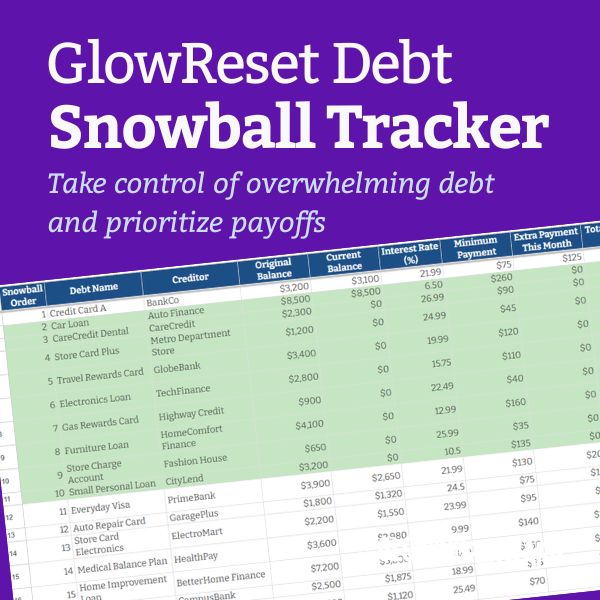
Step 7: Tackle debt without shame
Debt often carries a heavy emotional charge, especially for women who feel they “should have known better.” But debt is a situation, not a character flaw.
First, list your debts with:
- Balance
- Interest rate
- Minimum payment
Then choose a payoff style that fits your personality:
- Snowball: Pay extra on the smallest balance first for quick wins.
- Avalanche: Pay extra on the highest interest rate first to save more money long term.
There is no “perfect” choice. The best method is the one you’ll stick with while still living a life that feels like yours.
Step 8: Start where you are with retirement
If you feel late on retirement, it can be tempting to avoid it entirely. Instead, focus on starting or restarting with whatever is realistic.
Consider:
- If your employer offers a match, aim to at least capture the full match. It’s essentially part of your compensation.
- If you’re self-employed, explore opening an IRA or solo retirement plan and set up small, automatic contributions.
Even 2–3% of your income, started now, is more powerful than waiting for the “perfect” time to contribute a larger amount.
Step 9: Build a simple weekly money ritual
Consistency matters more than intensity. A 15-minute weekly check-in can keep you grounded and reduce surprises.
Your ritual can be very simple:
- Look at your account balances
- Confirm bills that are coming up
- Move any extra money to your 90-day priority
- Note one small win from the week (no matter how small)
Pair it with something pleasant: a favorite drink, a candle, music. Train your brain to associate money time with calm, not panic.
Step 10: Redefine what “being ahead” means to you
It’s easy to measure yourself against other people’s timelines: career milestones, home ownership, savings numbers, relationship status.
Instead, define “ahead” in terms of how you want to feel:
- Less anxious when you open your banking app
- More options if you want to change jobs or leave a situation
- Enough cushion to handle a surprise expense without spiraling
- A clear sense of where your money is going
From there, your financial plan becomes less about catching up and more about building a life that actually supports you.
You are allowed to start from exactly where you are today. You are allowed to go at a sustainable pace. And you are allowed to build wealth and stability without burning yourself out to get there.
Your next step doesn’t have to be dramatic. It just has to be chosen on purpose.



