







Feeling Behind With Money: A Calm Reset for Successful Women
You can be smart, accomplished, and respected—and still feel behind with money.
Maybe your income looks great on paper, but your savings don’t reflect it. Maybe you’re carrying debt you thought you’d have paid off by now. Or you’re earning more than ever and still feel like you’re one emergency away from panic.
This isn’t a character flaw. It’s a signal. A signal that your life has moved quickly, your responsibilities have grown, and your money systems haven’t caught up yet.
This is a calm reset. No shame. No perfectionism. Just a clear way to move from “I should have figured this out by now” to “I know exactly what I’m doing next.”
Step 1: Separate your self-worth from your net worth
Before numbers, you need one boundary: your value as a person is not up for debate.
Debt, savings, spending, or past choices are data, not a verdict. When you treat them as data, you can work with them. When you treat them as a verdict, you freeze.
Try this simple reframe:
- Instead of “I’m bad with money,” say “I haven’t had a system that works for me yet.”
- Instead of “I’m so behind,” say “I’m getting current with my money now.”
- Instead of “I messed this up,” say “I’m learning from what happened and adjusting.”
This isn’t toxic positivity. It’s about creating enough emotional safety to actually look at your numbers without spiraling.
Step 2: Get a clear, judgment-free snapshot
Most financial anxiety comes from not knowing, not from the actual numbers.
Block 45–60 minutes. Make it as gentle as possible: soft music, tea, candle, whatever helps your nervous system stay calm.
Then gather:
- Income: your take-home pay, side income, any consistent money coming in.
- Fixed expenses: housing, utilities, insurance, childcare, minimum debt payments.
- Flexible expenses: groceries, dining out, shopping, subscriptions, travel, wellness.
- Debt: balances, interest rates, and minimum payments.
- Savings and investments: checking, savings, retirement accounts, brokerage accounts.
Write it down in one place. A simple spreadsheet or a notes app is enough. The goal is visibility, not perfection.
If you feel overwhelmed, pause. Remind yourself: “Looking at this is an act of self-respect, not self-criticism.” Then come back.
Step 3: Define what “secure” actually means to you
Many women feel behind because they’re chasing a vague idea of “financial security” with no clear definition.
Security is personal. For you, it might be:
- Three to six months of expenses in cash.
- No credit card balances.
- Enough in savings to take a career break if needed.
- Funding retirement so you’re not dependent on anyone later.
Choose one primary focus for the next 6–12 months. Not five. One.
Examples:
- “My focus is building a $5,000 emergency fund.”
- “My focus is paying off my highest-interest credit card.”
- “My focus is consistently investing 10% of my income for retirement.”
When everything is a priority, nothing is. A single clear target reduces decision fatigue and emotional noise.
Step 4: Create a simple, realistic money flow
You don’t need a complicated budget. You need a money flow that matches your real life.
Start with this simple structure:
- Essentials: housing, food, utilities, transportation, childcare, minimum debt payments.
- Future you: savings, investing, extra debt payments.
- Enjoyment: dining out, travel, shopping, beauty, hobbies.
Look at your current spending and ask:
- Are my essentials sustainable?
- Is future me getting anything?
- Is enjoyment aligned with what actually makes me feel good, not just less stressed for a moment?
Then decide on simple percentages or amounts for each category. For example:
- 60% essentials
- 20% future you
- 20% enjoyment
Adjust to your reality. High cost-of-living area? Essentials may be higher for now. That’s not failure; it’s context.
Automate what you can:
- Automatic transfer to savings the day after payday.
- Automatic retirement contributions through work if available.
- Automatic payments for at least the minimum on all debts.
Automation protects you from decision fatigue and busy weeks. It lets your money grow even when life is chaotic.
Step 5: Choose a calm, strategic debt plan
If you’re carrying debt, especially high-interest debt, it can feel like a constant background hum of stress.
Two common approaches:
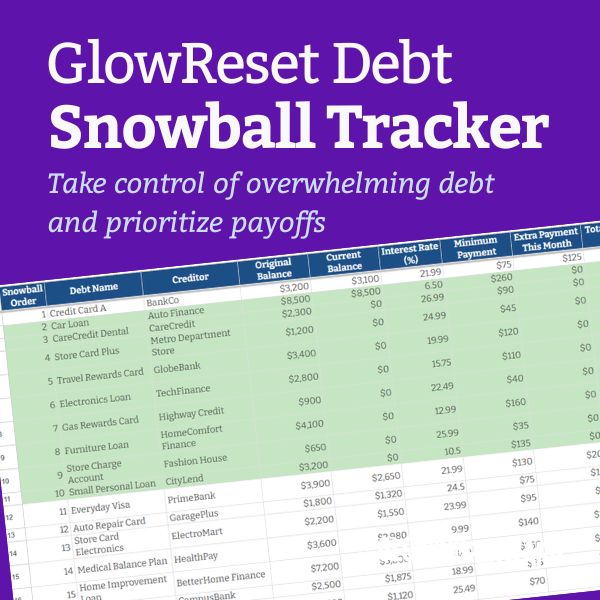
- Debt snowball: Pay extra on the smallest balance first while paying minimums on the rest. When it’s gone, roll that payment into the next smallest. This builds quick wins and motivation.
- Debt avalanche: Pay extra on the highest-interest debt first. This usually saves more money over time.
There is no morally superior method. Choose the one you’re most likely to stick with.
If your minimum payments already feel heavy, consider:
- Calling lenders to ask about lower interest rates or hardship options.
- Exploring a 0% balance transfer card if you can pay it down within the promo period and won’t run balances back up.
- Talking with a reputable, non-profit credit counseling agency for a structured plan.
Taking action with debt is not an admission of failure. It’s leadership in your own life.
Step 6: Start investing, even if it feels “late”
Many women delay investing because they feel behind, confused, or scared of making a mistake. But waiting is the most expensive choice.
If your job offers a retirement plan with a match, that’s usually the first place to start. A match is essentially free money.
If you don’t have a plan at work, or you want to do more, look into:
- Traditional or Roth IRAs (individual retirement accounts).
- Simple, diversified index funds or target-date funds.
You don’t need to become a market expert. You need a basic, consistent habit. Even a small monthly amount matters over time.
Think of investing as paying your future self a salary. She deserves that support.
Step 7: Build emotional safety around money
Money is never just math. It’s family stories, cultural expectations, gender roles, and old survival strategies.
To stay grounded as you make changes, try:
- Weekly money check-ins: 20–30 minutes to review accounts, upcoming bills, and progress toward your main goal.
- Emotional check-ins: When you feel triggered, ask, “What does this remind me of?” or “What am I afraid this means about me?”
- Support: A therapist, coach, or trusted friend who can talk about money without judgment.
When you feel activated, slow down decisions. You’re allowed to say, “I’ll decide tomorrow” to avoid reacting from stress.
Step 8: Redefine what “being good with money” looks like
Being good with money doesn’t mean never making a mistake, never wanting nice things, or hitting some arbitrary number by a certain age.
It looks more like:
- Knowing what you have, what you owe, and what you’re aiming for.
- Spending in a way that matches your real values, not other people’s expectations.
- Protecting your future self with savings, investing, and insurance.
- Adjusting your plan when life changes, without spiraling into self-criticism.
You are not behind. You are right on time to start handling money in a way that truly supports the life you’re building.
Pick one next step from this article—just one—and schedule it in your calendar within the next week. Not someday. A specific day and time.
Your financial life doesn’t change because you suddenly become a different person. It changes because you take small, steady actions from exactly who you are now.



