







When You Feel Behind With Money (Even Though You’re Successful)
You can be smart, accomplished, and still feel completely behind with money.
Maybe your career looks impressive, but your savings don’t. Maybe you earn well, yet debt and expenses keep swallowing your paycheck. Maybe you’re tired of pretending you’re “fine” with money when, inside, you feel anxious and late to the game.
This isn’t a personal failure. It’s a signal. And signals are useful.
Let’s walk through a calm, practical way to reset your finances without shame, panic, or perfectionism.
Step 1: Separate your self-worth from your net worth
Before numbers, you need one mental shift: your money situation is data, not a verdict on your value.
Feeling behind often comes from comparison. Friends buying homes. Colleagues investing. Social media flexing vacations and renovations. It’s easy to turn their milestones into a quiet story that you’re “behind” or “bad with money.”
Instead, try this reframe: your money is simply a snapshot of past decisions, systems, and circumstances. Some were in your control. Many were not.
Student loans, caregiving, medical costs, a partner’s job loss, underpay in earlier roles, or just never being taught how money works — none of that says anything about your intelligence or potential.
Your only job now: look at the numbers with clear eyes, not harsh judgment.
Step 2: Get a clean, honest snapshot
You can’t feel secure with money you’re afraid to look at. The goal here is clarity, not perfection.
Set a 30–45 minute “money check-in” with yourself. Make it as gentle as possible: tea, music, comfortable clothes. Then gather:
- All accounts: checking, savings, credit cards, loans, retirement, investment apps
- Balances: how much you have and how much you owe
- Monthly obligations: rent or mortgage, utilities, subscriptions, debt payments, childcare, insurance
Write it down in one place. A simple list is enough:
- Cash in checking/savings
- Retirement balances
- Investments (if any)
- Debts (credit cards, loans, etc.)
- Average monthly income
- Average monthly expenses
If this feels overwhelming, break it into two sessions: one for assets and income, one for debts and expenses.
When shame or anxiety shows up, notice it and come back to the facts. You’re not judging the numbers. You’re just meeting them.
Step 3: Define what “not behind” actually means for you
Feeling behind is vague. Clarity is specific.
Instead of chasing some invisible standard, define what “on track” would look like in your real life over the next 1–5 years. For example:
- “I want three months of expenses in savings.”
- “I want my credit card paid off within 18 months.”
- “I want to consistently invest for retirement every month.”
- “I want money set aside for travel or joy, not just bills.”
Choose no more than three priorities. Too many goals at once will keep you stuck in overwhelm.
Then, gently order them. For many women, the sequence looks like:
- Stabilize (emergency cushion + minimum payments on all debt)
- Clean up (pay down high-interest debt)
- Build (retirement and other long-term goals)
But your life may call for a different order. If you’re the primary caregiver or facing health uncertainty, more cash savings might come before aggressive debt payoff. Your plan should fit your reality, not an online template.
Step 4: Create a simple, realistic money flow
Once you know your priorities, you can design a money flow that supports them. Think of it as a calm system, not a strict budget.
Start with your monthly take-home income. Then:
- Cover essentials: housing, food, transportation, utilities, minimum debt payments, childcare, insurance.
- Set a baseline safety move: a small automatic transfer to savings, even if it’s $25–$50 per paycheck.
- Direct extra toward your top goal: this might be high-interest debt, building an emergency fund, or catching up on retirement.
Keep it simple. For example:
- 5% to 10% to savings (or whatever is currently realistic)
- Extra payments to one specific debt until it’s gone
- A set amount to retirement (through work or an individual account)
If your numbers don’t work — if expenses are higher than income — that’s information, not failure. It means the next step is adjusting, not blaming yourself.
Step 5: Adjust the levers you actually control
There are only three levers in any money plan:
- What you earn
- What you spend
- What you keep and grow
Most advice jumps straight to cutting lattes. That’s rarely where the real power is for a successful woman.
Consider:
- Income: Are you underpaid for your level? Is it time to negotiate, explore a promotion, or test the market? Could a small side project bring in targeted extra income for a season?
- Spending: Which expenses don’t actually add value to your life anymore? Can you simplify subscriptions, renegotiate bills, or set gentle limits in areas that tend to leak money?
- Keeping/growing: Can you automate transfers to savings and retirement so you’re not relying on willpower each month?
Instead of trying to overhaul everything, choose 1–2 moves in each category. Small, consistent changes compound faster than big, unsustainable ones.
Step 6: Make debt and retirement less emotional, more mechanical
Debt and retirement are where many women feel most behind. Let’s strip out the drama and keep the strategy.
For debt:
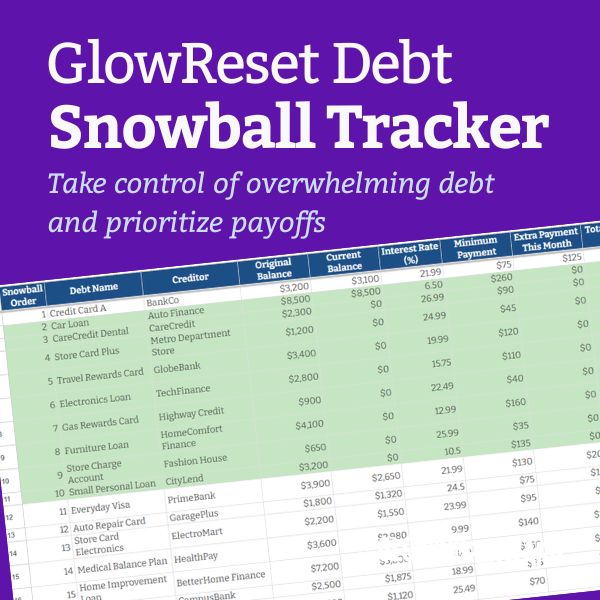
- List all debts with balances, interest rates, and minimum payments.
- Choose a method: pay extra on the highest interest (fastest financially) or the smallest balance (fastest emotional win).
- Automate the minimums and one extra payment toward your chosen target debt.
There’s no moral scorecard here. You’re not “bad” for having debt. You’re simply creating a plan to move through it.
For retirement:
- If your employer offers a match, aim to at least capture the full match when possible. It’s part of your compensation.
- If you’re not there yet, start with what you can — even 1–3% — and schedule a calendar reminder to review and increase it every 6–12 months.
- If you’re self-employed, explore opening a retirement account designed for business owners or freelancers.
Starting late is still starting. The goal isn’t to catch up to an imaginary timeline. It’s to give your future self more options than she has today.
Step 7: Build emotional safety around money
Money isn’t just math. It’s nervous system, history, culture, and family patterns.
To stay consistent, you need emotional safety, not just spreadsheets. Try:
- Weekly money dates: 20–30 minutes to check balances, pay bills, and adjust. Keep it light and routine, like brushing your teeth.
- Gentle self-talk: When you catch “I’m so behind,” shift to “I’m learning new skills” or “I’m taking care of myself with this decision.”
- Support: This might be a financial planner, a money coach, a therapist, or a trusted friend who can talk about money without judgment.
Your nervous system needs to experience money as something you can face and handle, not something to avoid until there’s a crisis.
Step 8: Redefine success on your terms
Feeling behind often comes from living inside someone else’s definition of success.
Maybe you don’t actually want the big house, luxury car, or constant upgrades. Maybe what you really want is time, flexibility, health, or the ability to step back from work someday without panic.
Take a moment and ask yourself:
- What do I want money to make possible in my life?
- What would “enough” feel like, not just look like?
- If I wasn’t comparing myself to anyone, what would I choose to prioritize?
Your financial plan should serve your life, not the other way around.
You are not behind. You are exactly where you are, with the power to choose your next move. One clear step, repeated, will take you further than a year of quiet worry.
Your money story is still being written. You’re allowed to start a new chapter now.



