







How To Feel Financially Safe Again When You Secretly Feel Behind
You can be smart, accomplished, and still feel completely behind with money.
Maybe your income looks good on paper, but your savings balance makes you anxious. Maybe you’ve hit career milestones and still feel like you missed the “how to do money” memo.
This isn’t a character flaw. It’s a skills and systems gap. And skills can be learned. Systems can be built.
Let’s walk through a calm, practical way to move from “I’m behind and overwhelmed” to “I know what’s happening with my money and I have a plan.”
Step 1: Define what “safe enough” looks like for you
Most women say they want “financial freedom,” but that phrase is so big it can feel paralyzing. Start smaller: what would feel safe enough over the next 12–24 months?
Consider:
- How many months of expenses in cash would help you sleep better?
- What level of debt payoff would feel like real progress?
- What one or two goals matter most right now (not forever)?
Turn that into a simple sentence:
“In the next 18 months, I want three months of expenses saved, my highest-interest card paid off, and to be contributing something to retirement again.”
This becomes your filter. If a money decision doesn’t move you closer to this, it’s a lower priority for now.
Step 2: Get a clear, judgment-free snapshot
Overwhelm usually comes from not knowing the full picture. The goal here is clarity, not perfection.
Gather three numbers:
- Cash: checking, savings, and any emergency funds
- Debt: credit cards, personal loans, student loans, car loans, lines of credit
- Investments: retirement accounts, brokerage, company stock, HSAs
Write them down in one place. No commentary. No “shoulds.” Just data.
If this feels emotionally loaded, set a 20-minute timer, put on music, and treat it like a work task. When the timer ends, stop. You can come back tomorrow.
Clarity is not about liking the numbers. It’s about finally knowing what you’re working with so you can change it.
Step 3: Build a “calm cash flow” plan
Budgeting often feels restrictive. Instead, think of this as a cash flow plan that tells your money where to go before it disappears.
Start with your average monthly take-home pay. Then list:
- Essentials: housing, utilities, groceries, transportation, insurance, minimum debt payments
- True needs that support your life: childcare, therapy, medications, pet care, basic phone/internet
- Flexible lifestyle spending: dining out, shopping, travel, subscriptions, beauty, hobbies
Now add one more category: Future You.
- Emergency fund
- Debt payoff above the minimums
- Retirement or other investments
The goal is not to cut everything fun. The goal is to make sure Future You gets something every month, even if it’s small.
If the numbers don’t work, adjust in this order:
- Reduce or pause lower-value lifestyle spending
- Renegotiate bills (insurance, phone, subscriptions, interest rates)
- Explore income boosts (raise, side work, consulting, selling unused items)
Your first win is simply having a plan where every dollar has a job.
Step 4: Create a simple, realistic debt strategy
Debt can feel heavy, especially if you’re successful in other areas of life. Instead of trying to “fix it all” at once, choose one clear strategy.
Two common options:
- Highest interest first (avalanche): pay extra toward the debt with the highest interest rate while paying minimums on the rest. This saves the most money over time.
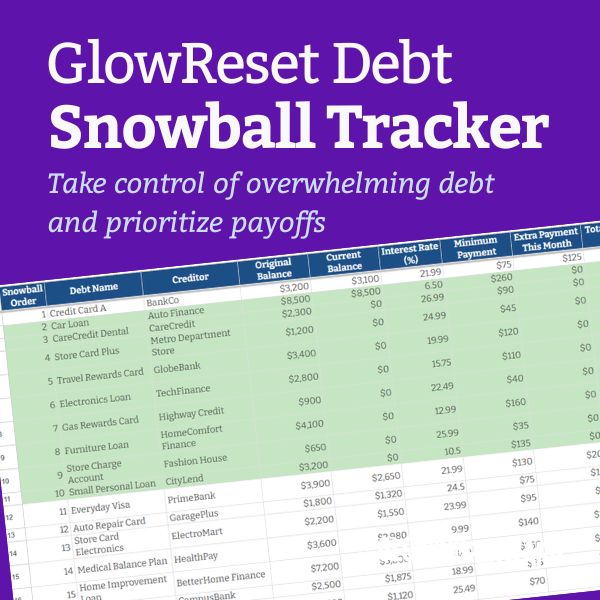
- Smallest balance first (snowball): pay extra toward the smallest balance. This gives you quick wins and emotional momentum.
Pick the one that you’re most likely to stick with, not the one that sounds best on paper.
Then decide on a specific monthly extra amount, even if it’s modest. Consistency matters more than intensity.
If your debt feels unmanageable even with a plan, consider:
- Calling lenders to ask about lower rates or hardship programs
- Exploring a 0% balance transfer card (if you can pay it down during the promo period)
- Speaking with a reputable, nonprofit credit counseling agency
Needing support is not failure. It’s strategy.
Step 5: Build a “no-drama” emergency fund
An emergency fund is not about being pessimistic. It’s about reducing panic when life happens.
If the classic “3–6 months of expenses” feels impossible, start with a smaller, specific target:
- First target: $500–$1,000 for basic emergencies
- Next target: one month of bare-bones expenses
- Then: build toward three months as your income allows
Keep this money in a separate high-yield savings account so it’s easy to access but not easy to accidentally spend.
Automate a transfer, even if it’s $25 or $50 per paycheck. The amount matters less than the habit. You’re building evidence that you can take care of yourself financially.
Step 6: Restart (or start) investing without overthinking it
If you’ve paused retirement contributions or never really started, it’s easy to feel like you’ve missed your chance. You haven’t.
Focus on one simple move:
- If you have a workplace plan (like a 401(k)), aim to contribute at least enough to get the full employer match. That match is part of your compensation.
- If you don’t have a workplace plan, consider opening an individual retirement account (IRA) with a reputable brokerage and setting up a small automatic monthly contribution.
You do not need to become an investing expert. Many women use a single diversified fund (like a target-date fund or broad index fund) to keep things simple.
Your power comes from consistency over time, not from perfectly timing the market.
Step 7: Put your money on autopilot
When life is full, willpower is not a reliable system. Automation is.
Where possible, automate:
- Bill payments for essentials and minimum debt payments
- Transfers to savings and emergency fund
- Retirement or investment contributions
Then choose a regular “money check-in” time—weekly or biweekly. During that time, you:
- Glance at accounts and recent transactions
- Adjust any upcoming payments if needed
- Celebrate one small win from the week (no matter how small)
This keeps you in relationship with your money without letting it take over your mental space.
Step 8: Rewrite the story you’re telling yourself
Feeling behind is not just about numbers. It’s about the story running in the background: “I should have figured this out by now.” “Everyone else is ahead.” “I’m bad with money.”
Those stories drain your energy and make it harder to take action.
Try replacing them with statements that are honest and supportive:
- “I’m learning money skills now, and that counts.”
- “I can be successful and still be a beginner with finances.”
- “Every transfer, every payment, every check-in is progress.”
You’re not starting from zero. You’re bringing your experience, resilience, and problem-solving skills into a new area of your life.
Step 9: Choose one next step for this week
Big financial change is built from small, repeatable actions. To avoid overwhelm, choose just one step for this week:
- List all your accounts and balances in one place
- Open a separate savings account for your emergency fund
- Set up a $25 automatic transfer to savings
- Email HR to check your retirement match details
- Schedule a 30-minute money check-in on your calendar
Once that’s done, you can choose the next one. Momentum comes from action, not from having the perfect plan.
You’re not behind. You’re right on time to build a version of financial safety that actually fits your life now.



